
Polyaspartic Epoxy Coatings · Huntsville

Polyaspartic Coatings in Huntsville, AL

A clear top coat that cures fast and shrugs off hot tires, so we can pour the base and seal the whole floor in a single day.

1 day installs · typical timeline
Free Quote

Free Polyaspartic Epoxy Coatings quote.

We reply within 1 business hour. No spam, ever.

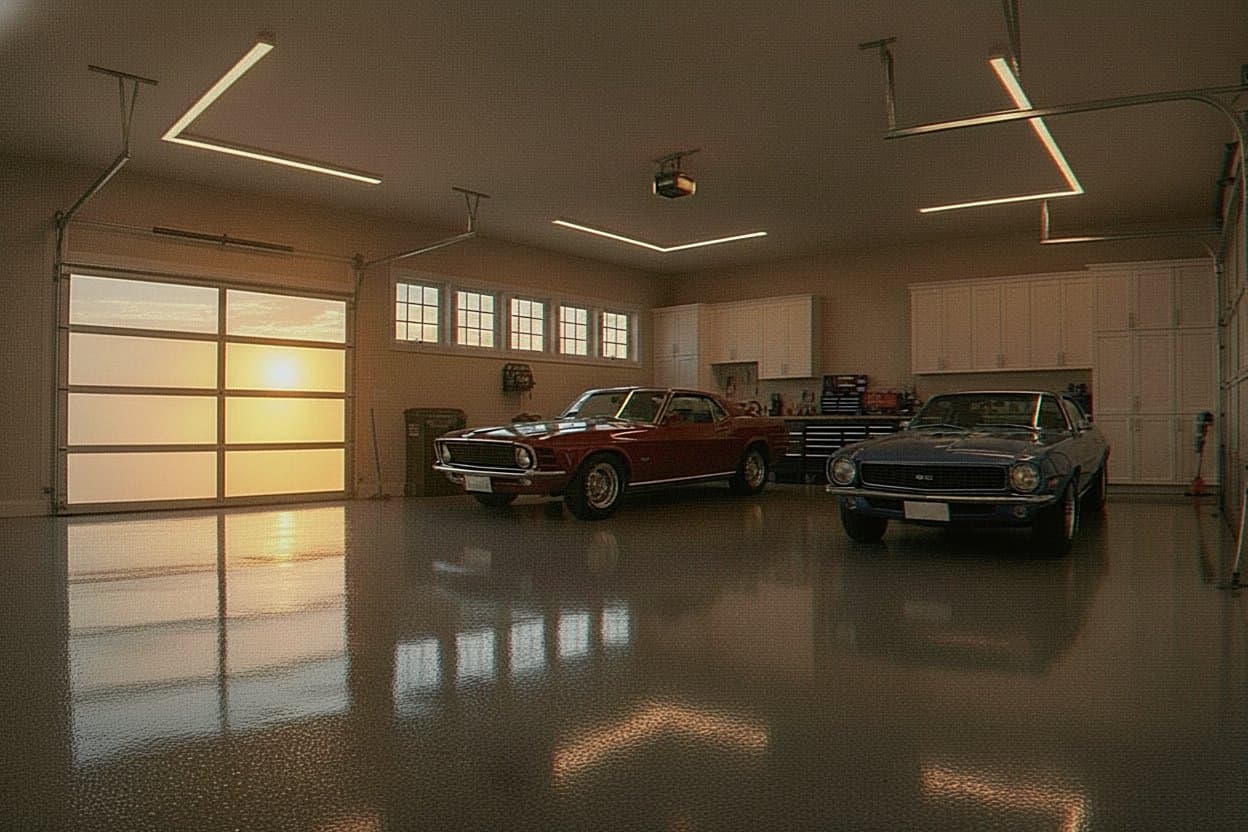
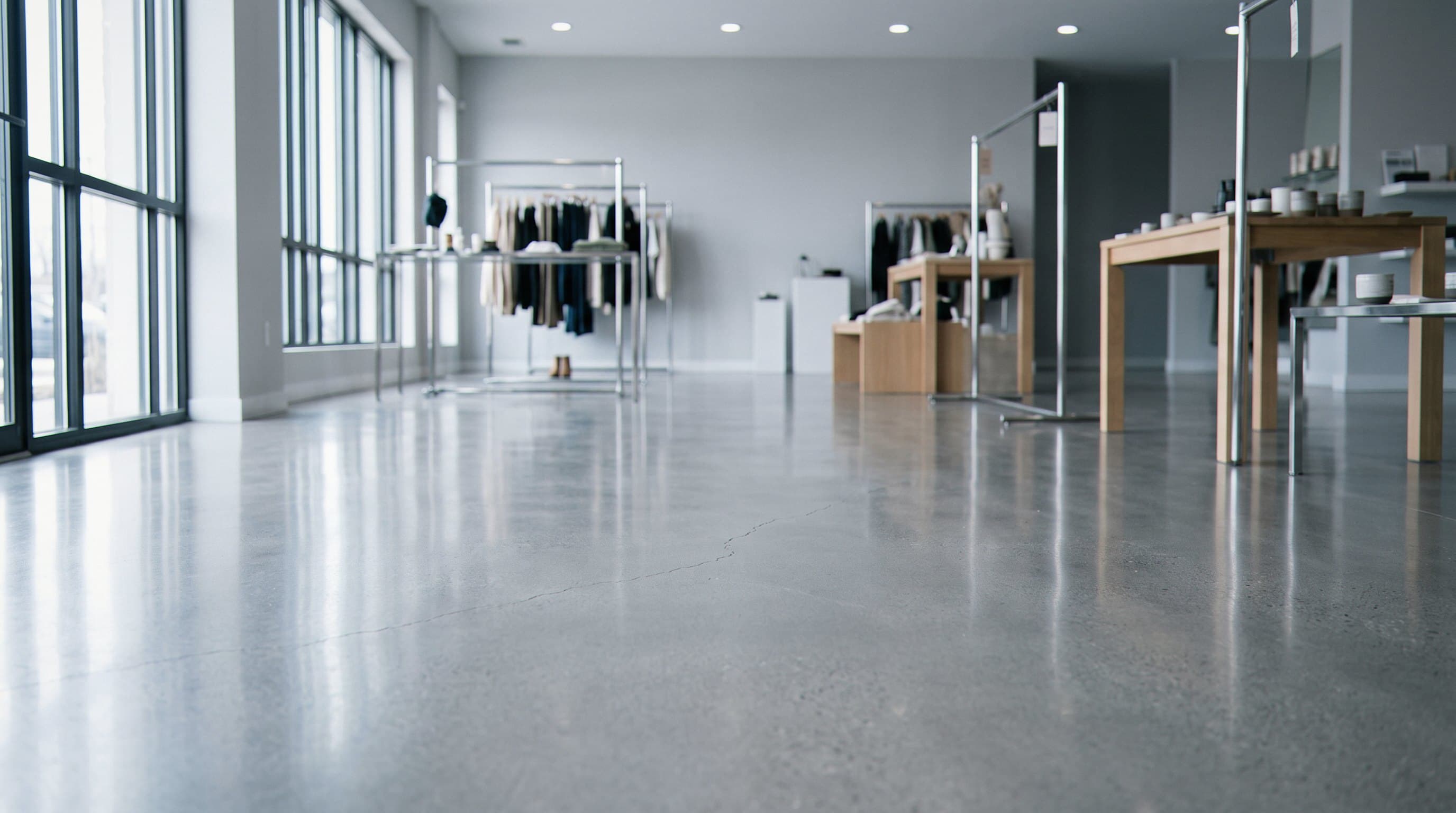
Wide view of polyaspartic sealed floor in Huntsville
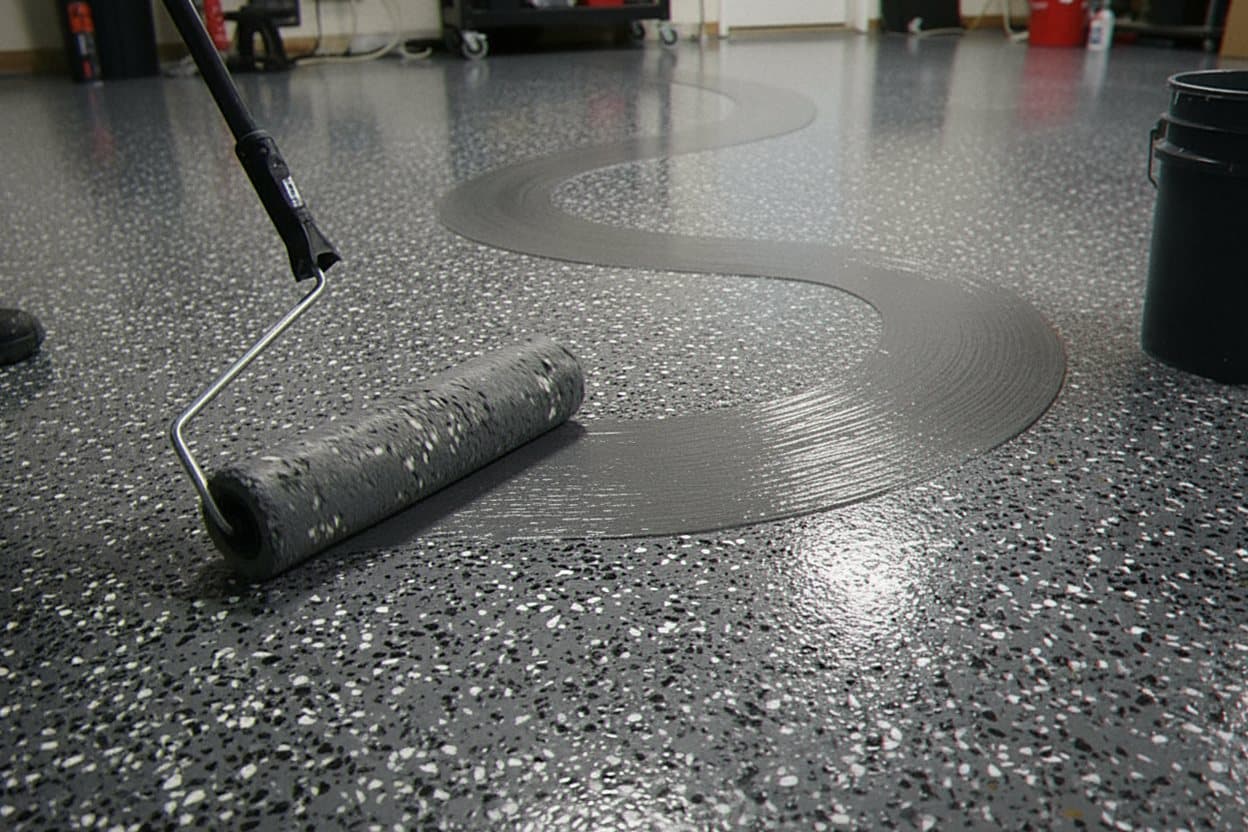
Clear polyaspartic coat rolling over a cured flake base
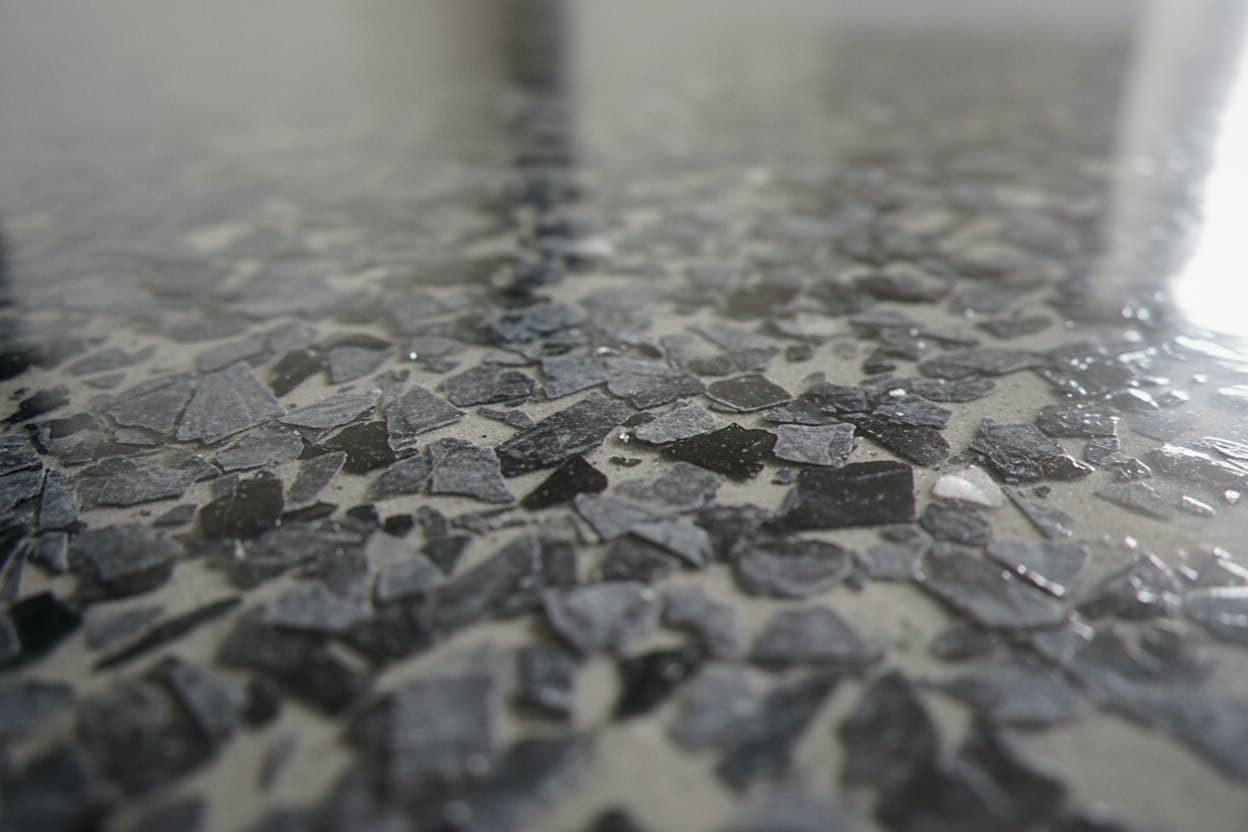
Polyaspartic topcoat surface showing gloss and depth
What we install

Polyaspartic and epoxy are not the same thing

Epoxy and polyaspartic do two different jobs. Epoxy is the thick base that grips the slab, fills the pores, and builds a hard, level layer that the rest of the floor stands on. But raw epoxy has a weak spot. Leave it in the sun and it slowly turns yellow, and park a hot car on it in the middle of July and the tires can lift it right off the concrete. That is why we rarely stop at epoxy alone. We seal the floor with a clear polyaspartic top coat.

The top coat is where the real toughness lives. It cures in about two hours, not overnight, and it stays clear in strong daylight, so the color you pick is the color that stays. And it laughs at hot tires, which is the one thing that wrecks a plain epoxy job faster than anything else in a garage. Around Huntsville our summers run long and humid. A floor that holds up in that kind of heat is worth the extra step.

  • Cures in about two hours, so we can finish most floors in a single day.
  • Stays clear under daylight, which means the color you pick is the color that stays.
  • Shrugs off hot tires, road salt, and the odd wrench dropped from the bench.
  • Bonds into the epoxy below, so the two layers act as one solid floor with no weak plane between them.
  • Wipes clean with a mop, and spilled oil sits on top instead of soaking in.
We do not leave epoxy bare in the Tennessee Valley sun. The clear top coat is what makes the floor last.

Here is how a one day floor goes down. Early in the morning we grind the bare slab, because grinding opens the concrete so the resin can sink in and bite. We patch any cracks or pits and let them set. Next we roll on the epoxy base coat, and once it firms up we broadcast color flake across it if you want that look. Then we scrape it flat and add the clear top coat. By evening the floor is hard enough to walk on, and you can park on it in a day or two.

Want a floor that handles Huntsville heat and hot tires? Call us and we will walk your garage, basement, or shop with you, then handle the grinding, the base coat, and the clear seal ourselves.
Materials

The chemistry, in plain words

Polyaspartic is a cousin of polyurethane, built to live on a floor. The short version is simple. Its backbone holds color when the sun hits it, while cheaper coatings break down in daylight and slowly go yellow over a season or two. This one does not. That is why we use it as the final clear coat over the epoxy base.

It also sets fast and bonds tight. We can lay it within the epoxy recoat window, so the two layers grip together as one solid floor instead of a film resting on a film. There is no loose layer waiting to peel. Because it sets faster, you get back on the floor sooner, and that matters a lot when a family needs the garage back for the week.

  • Holds its clarity in daylight, so the color you chose stays true for years.
  • Cures in roughly two hours per coat at normal shop temperatures.
  • Bonds into the epoxy below, so the whole floor acts as one solid layer.
  • Harder than basic floor sealer, which is what stops hot tires from lifting it.
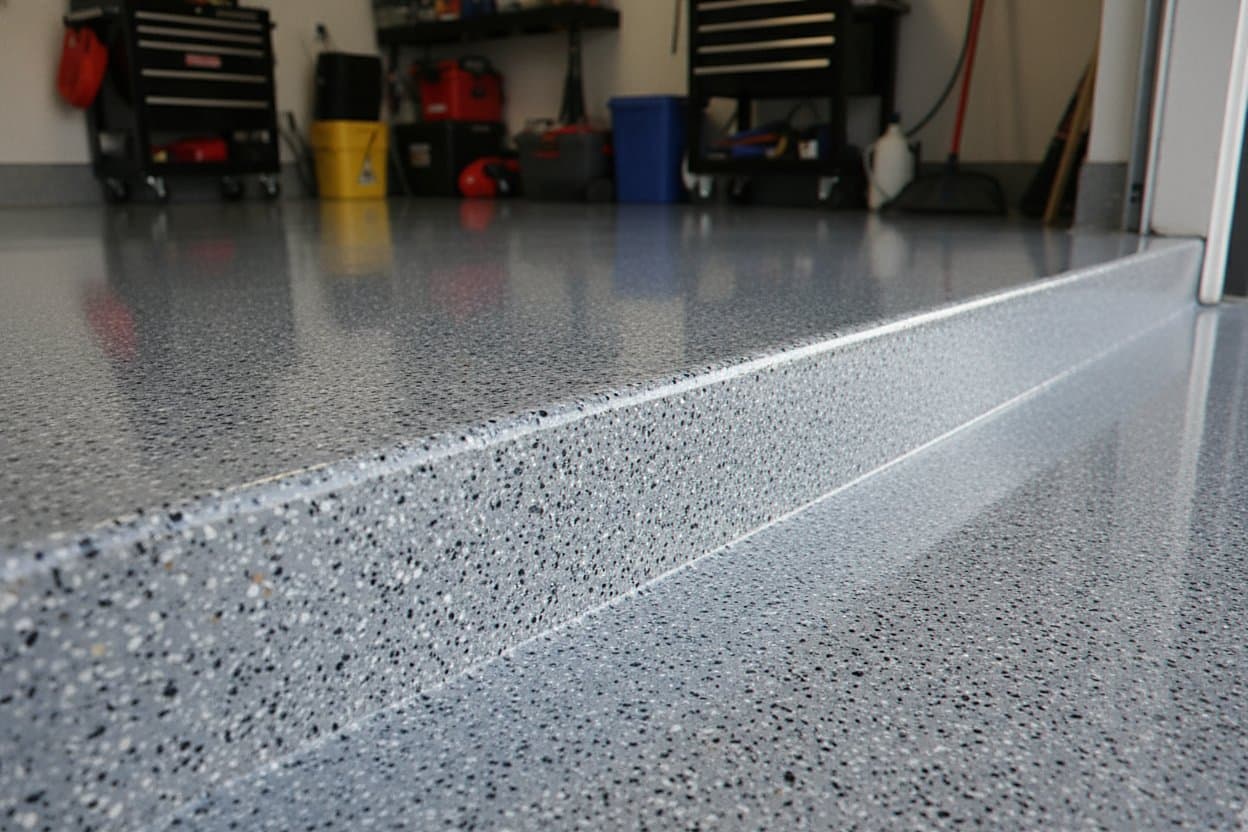
Clear polyaspartic coat edge on a finished floor
Polished concrete showroom floor with high-gloss finish
What about the alternatives?

Polyaspartic versus the other top coat choices

A few products can seal an epoxy floor, and they do not all hold up the same way once cars and sun and time go to work on them. Here is how the common ones stack up for a Huntsville garage or shop.

Clear epoxy as a topcoat

Cheaper, but it yellows in the sun and softens under hot tires, so we skip it as a final layer.

Skip

Solvent based polyurethane

Tough and clear. The fumes are strong, though, and it cures slow, so it works but it is not our first pick.

Acceptable

Water based acrylic floor sealer

Easy and low in odor. It goes on thin and stays soft. Fine for light foot traffic and weak under cars.

Acceptable

Urethane mortar

Very tough, the kind of floor heavy plants and busy kitchens lean on. More than a home garage needs, but it holds up under real abuse.

Recommended

Polyaspartic

Clear, fast, and hard. It handles our long summer sun, hot tires, and daily wear without much fuss. This is the one we reach for most.

Recommended
How it goes

From quote to walk-on, fast.

01

Your inquiry

Call or send the short form with what is going on at your place. A sentence or two is plenty for the first step.

02

We talk it through

We go over the situation on the phone, ask the questions that matter, and tell you what we would do next.

03

A clear plan

You get a plain-language rundown of the work, the order it happens in, and what to expect on the day.

04

The work gets done

Our crew shows up when we said, does the job, and walks you through the result before leaving.

Before you book

What to check on the top coat before you book

A polyaspartic pass goes wrong when it is rushed or laid in bad conditions. Ask us these before the crew shows up.

What temperature and humidity will the install run at?
The coat sets by the clock, and both heat and damp air speed it up, which means a humid Huntsville summer day can leave a crew a very short window to spread it before it grabs. We plan the pour for the cooler hours. We watch the air the whole time. If the shop is too hot or too wet, we change the mix or we move the date, because rushing a fast coat in heavy air is exactly how a floor ends up with streaks and ugly drag marks.
How much polyaspartic is going on the floor, in mils?
Thickness is measured in mils, which are thousandths of an inch. Too thin and it wears through early. Too thick in one pass and the clear can trap bubbles as it cures, so we lay it at the depth the product calls for and we build it in even coats. Ask any crew for the target mils and the number of passes they plan to run. A clear, plain answer is a good sign.
Is the top coat landing inside the epoxy recoat window?
Epoxy has a window where the next layer bonds to it on its own. Miss it and the layers can split apart down the road, which is why we time the day so the clear coat goes on while the base is still ready to take it. That is how the floor ends up as one piece. Two stacked films are what we are working to avoid.
Are there cases where polyaspartic is the wrong topcoat?
Yes, sometimes it is the wrong call. A damp slab with no moisture block can trap water under any coating, and a floor that takes heavy carts all day may need a thick mortar instead. We check the slab first. We tell you straight if another system fits the room better, because we would rather pass on a job than sell you a floor that will not hold.
Can the top coat be refreshed later without ripping the floor out?
It can be refreshed. Years down the road the top coat can be scuffed and sealed again while the base and the flake stay right where they sit, so a refresh stays quick and far easier than a full tear out and redo. We walk you through that when the day comes.
Aftercare

How a polyaspartic floor ages over the years

A sealed floor asks for almost nothing. Dust mops and the rare wet mop keep it clear. The clear coat takes the daily wear, not the color sitting below it. In our Huntsville heat and humidity, that top layer is the part doing the hard work, day after day. Years in, most floors still look close to the day we packed up and left.

  • Sweep or dust mop weekly to keep grit from dulling the shine.
  • Wipe spills like oil or brake fluid before they sit for days.
  • Use a soft mop and plain water, and skip the harsh acid cleaners.
  • Drop a mat under the car if your tires run very hot in summer.
  • When the shine fades years later, we can scuff and seal the top again, not the whole floor.
Wide shot of polished concrete floor in a showroom
FAQ

Common questions about polyaspartic in Huntsville

What separates epoxy from polyaspartic, in practice?
Both go down as a liquid and harden into a solid floor. Epoxy builds a thick, stiff base coat. Polyaspartic is different. It cures fast, shrugs off the strong summer sun, and holds its color over the years instead of yellowing the way a cheaper top coat will. On most jobs we pair the two, using epoxy for the build and polyaspartic as the top coat.
How are coating jobs typically priced in this market?
A few things move the number. Floor size is the big one. Then comes the shape your slab is in, because cracks, old coatings, and oil stains all add prep time before a single drop of resin goes down. The system you pick matters too, since flake and metallic finishes cost more than a plain epoxy flooring coat. We walk the space first. Then we talk price.
Are winter installs realistic in north Alabama?
Yes. Huntsville winters stay mild, so we install epoxy flooring year round, planning each pour around the forecast so the slab cures through a stretch of dry, settled days. On the cooler days we lean on polyaspartic, which sets even when the air is chilly. A closed garage holds heat well enough for a clean cure. It works.
Will the floor pick up or stain under hot tires?
Not when the floor is done right. Hot tire pickup happens when a coating never fully cured and the warm rubber of a parked car slowly pulls the soft layer loose from the slab below. We let each layer cure on its own time before you park on it. The result lasts. A finished epoxy floor stays put and wipes clean of road grime and oil.
Ready when you are

Let's make your next steps easier

Tell us what is going on at your Huntsville home and we will walk you through the options. One call or one short form is all it takes.

Call (256) 988-7462Make your inquiry
CallContact us